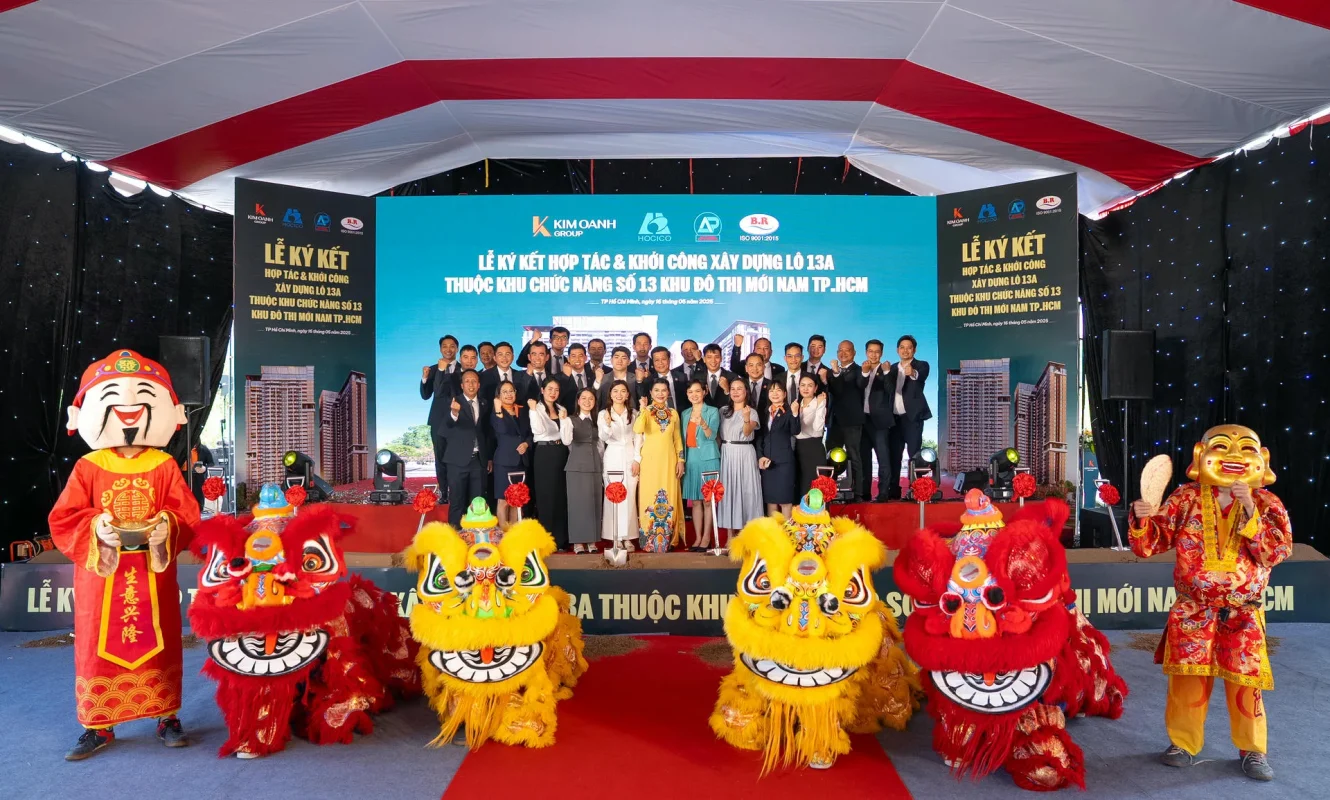
Vietnam’s goal of developing one million social housing units between 2021 and 2030 is progressing ahead of schedule. As supply begins to meet demand, the focus is shifting—not just to quantity, but to delivering real quality of life for residents.
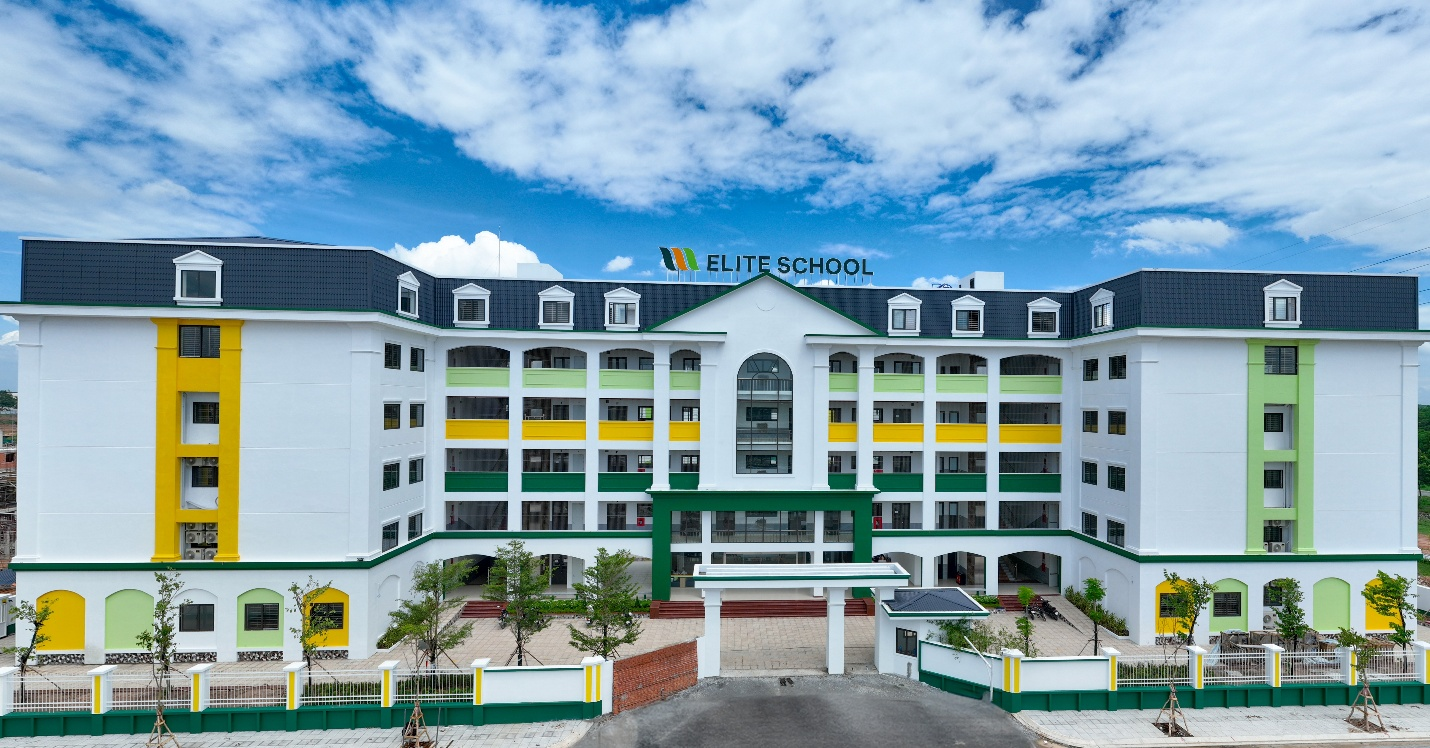
Elite School – International school at K-Home New City
Accelerating from policies to practice
Driven by strong government direction and an increasingly legal framework, the pace of social housing development across Vietnam has accelerated significantly.
According to the Ministry of Construction, more than 102,700 social housing units were completed and put into use in 2025—exceeding the annual target by 2.7% and marking the highest output since the program began. At this pace, the one-million-unit goal could be achieved up to two years ahead of schedule.
These figures reflect an increase of supply. However, as volume rises, a critical question emerges: Can quality keep up?
In reality, not all social housing projects are equally invested in terms of planning, design, amenities, and operations. If the focus is placed solely on speed and numbers, there is a real risk of creating monotonous residential areas—lacking communal spaces, connectivity, and long-term sustainability.
International experience shows that social housing only succeeds when it is treated as a standardized housing product supported by social policy—not as a compromise solution. Singapore stands as a leading example. In 2024, its homeownership rate reached 90.8%, with more than 80% of residents owning homes through government-backed schemes. Social housing developments there are fully integrated with parks, schools, healthcare facilities, commercial centers, sports amenities, and efficient public transport.
More importantly, they are not just places to live—they are the foundation for community building, social stability, and sustainable urban growth.
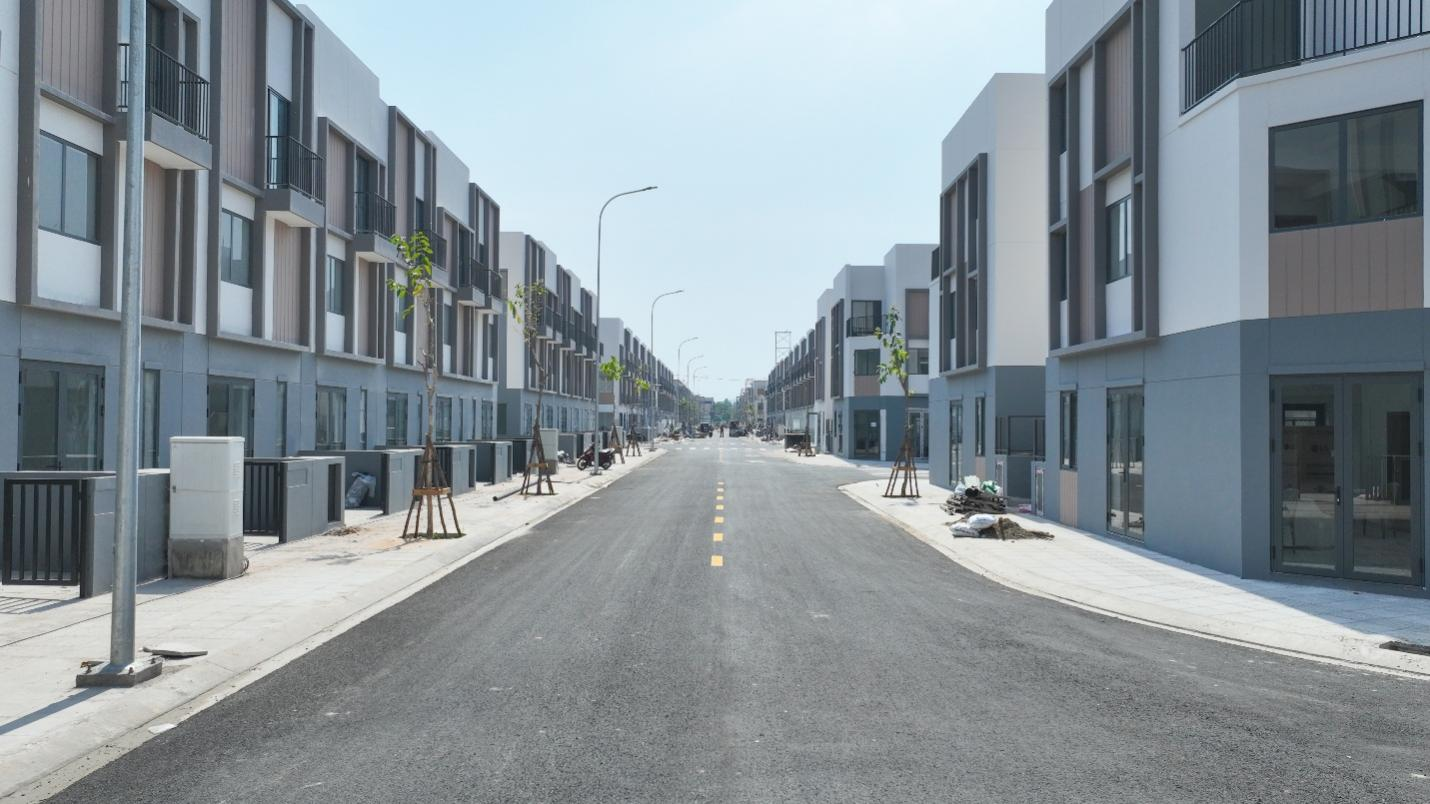
A low-rise area in K-Home New City – Vietnam’s first Singapore-standard social housing developments, developed by Kim Oanh Land.
Building on these factors, Vietnam’s market is now witnessing a clear shift in the development mindset for social housing. Many investors and real estate developers are beginning to make more serious, long-term commitments to architecture, living environments, integrated amenities, and sustainable materials—aiming for a quality on par with commercial housing, and in some cases, approaching international standards.
Social housing development – Not just a place to live
Projects within the K-Home social housing series, developed by Kim Oanh Land, are strategically located in urban centers, adjacent to industrial zones and established residential areas—where a large workforce is concentrated. Despite their prime locations, these developments remain affordably priced, while also optimizing long-term living and operational costs for residents.
What sets K-Home apart is its commitment to green building standards such as EDGE certification, with a strong focus on energy efficiency, water conservation, and carbon emission reduction. This is complemented by a diverse range of amenities, thoughtfully designed green living spaces, and tightly controlled construction progress—ensuring consistent quality from planning to handover. For instance, K-Home New City is developed in the heart of Binh Dương New City (HCMC), in close proximity to major industrial parks, with seamless connectivity and more than 50 on-site amenities—fully meeting the everyday needs of its residents.
.
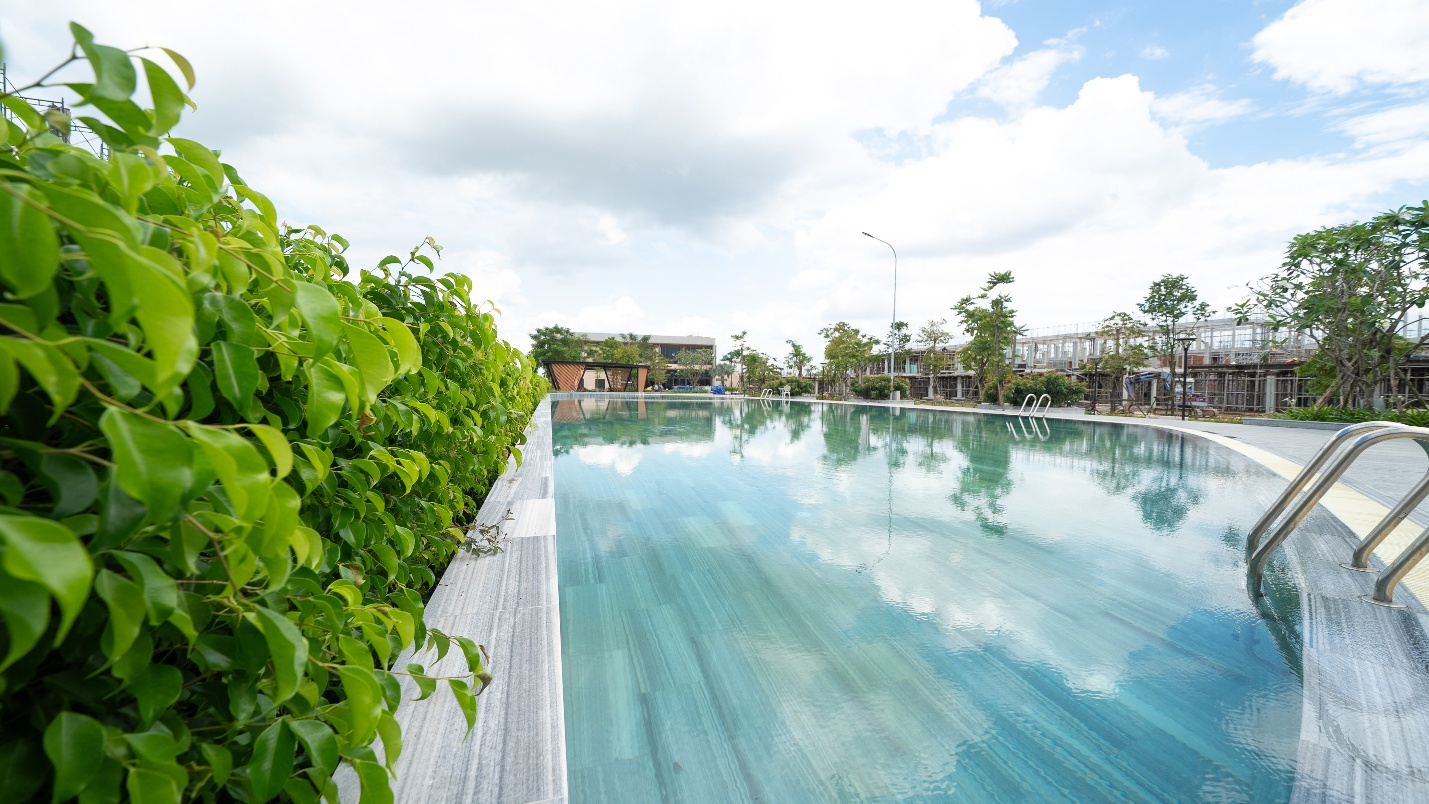
Swimming pool at K-Home New City.
Sharing insights into the company’s social housing strategy, Mrs. Đặng Thị Kim Oanh – Chairwoman and CEO of Kim Oanh Group, and representative of Kim Oanh Land – emphasized that to ensure Singapore-standard quality across the K-Home social housing series, the company continuously seeks out and partners with leading firms in each field, from planning and design consultancy to construction and operations. A standout partner is Surbana Jurong, which has been directly involved in the planning and development of over one million social housing units in Singapore, and serves as the design consultant for K-Home projects.
Kim Oanh Land’s execution capabilities and commitment to quality have already been demonstrated through its first project, K-Home New City. The project has successfully handed over its first low-rise townhouse area, while the remaining phases are progressing on schedule as committed. Construction quality is ensured through a network of reputable contractors such as Coteccons, Handong, TLT, COSACO, An Phong, and An Phước Bình Dương. Upcoming projects in the K-Home series will continue to bring together trusted and well-established partners across the market.
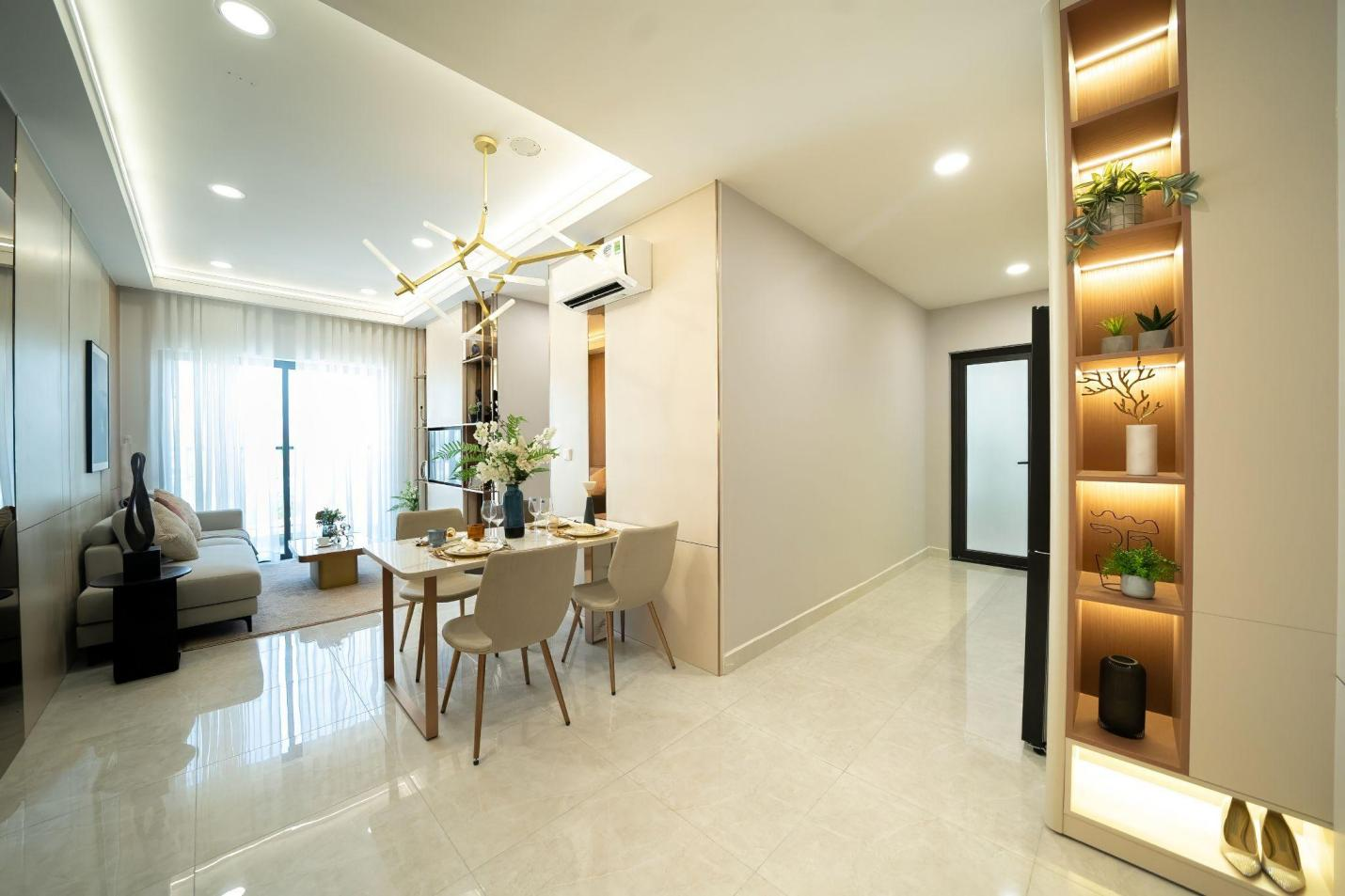
Social housing apartment at K-Home New City has handed over with high-quality interior from leading brands
such as An Cuong, Hao Canh, Varmora Granito, J.Lilen…
“From now until 2028, we will continue to develop around 40,000 social housing units built to Singapore standards, with the goal of establishing a new living benchmark for the workforce. At the beginning of this year, we plan to launch at least four projects in Bien Hoa, Nhon Trach, and Trang Bom in Dong Nai Province, and Ho Chi Minh City. What sets these projects apart is that they are not only located in vibrant urban centers with convenient connectivity, but also fully equipped with integrated amenities. With an initial investment of just over VND 200 million, buyers can own a fully finished apartment,” emphasized Mrs. Đặng Thị Kim Oanh – Chairwoman and CEO of Kim Oanh Group.
Beyond Kim Oanh Land, several other developers are also striving to find more sustainable pathways for social housing development. The journey toward the goal of one million social housing units is therefore not just about quantity, but increasingly a race for quality.
According to experts, the success of the one-million-unit social housing program will only be truly meaningful when each completed home represents a genuine living space for workers. Today, social housing must align with the government’s inclusive development goals—ensuring that access to a proper home is available to all, leaving no one behind on the path toward stable living, career building, and sustainable national growth.
(Source: Sai Gon Giai Phong)